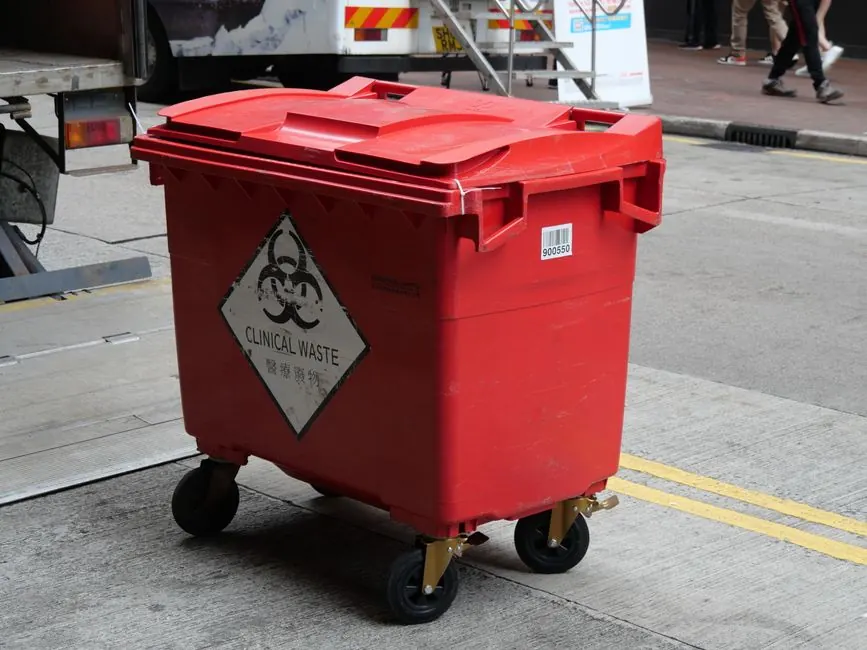
Overflowing medical waste containers in Illinois can lead to serious health risks and regulatory issues. The primary reasons for this overflow include inadequate pickup schedules, overuse of containers, and improper disposal practices.
Understanding why your medical waste container is overflowing is essential for maintaining compliance and ensuring safety. This article will explore the common causes of overflowing medical waste containers, how to prevent these issues, and what steps to take if you find yourself in this situation.
What causes medical waste containers to overflow in Illinois?
Medical waste container issues in Illinois often stem from several factors. One primary reason is the frequency of waste pickups. If your facility generates more waste than anticipated, you may find that your containers fill up faster than they can be serviced.
Another common issue is the improper segregation of waste types. When hazardous materials are mixed with regular waste, it can lead to containers filling up quickly and exceeding their capacity. Facilities must follow strict guidelines for waste segregation to manage their waste effectively.
Additionally, seasonal fluctuations can affect waste generation. For instance, during flu season, hospitals and clinics may experience a surge in medical waste, leading to overflowing medical waste containers in Illinois.
How to prevent overflowing medical waste containers in Illinois?
Preventing overflowing medical waste containers involves a combination of proper planning and adherence to best practices. First, evaluate your waste generation rates and adjust your pickup schedule accordingly. Many facilities benefit from regular consultations with their waste management provider to ensure they have the right frequency of pickups.
Implementing a waste segregation policy can also help reduce overflow. Train staff to correctly identify and separate hazardous waste from regular waste. This not only helps in managing container capacity but also ensures compliance with local and federal regulations.
Consider using multiple containers for different waste types. By having dedicated containers for sharps, pharmaceuticals, and biohazardous waste, you can better manage the volume of waste generated and reduce the risk of overflow.
What to do if my medical waste container is overflowing in Illinois?
If you find that your medical waste container is overflowing, it's crucial to act quickly to mitigate potential health risks. First, do not attempt to compact or force waste into an already full container. This can create safety hazards and may violate waste disposal regulations.
Contact your medical waste disposal provider immediately. They can arrange for an emergency pickup to address the overflow situation. If you are unsure about your current provider's capabilities, consider exploring medical waste disposal solutions in Illinois that offer flexible scheduling to meet your needs.
In the meantime, secure the area around the overflowing container to prevent unauthorized access. Use signage to indicate that the area is hazardous until the waste can be properly managed.
Common mistakes with medical waste disposal
Common mistakes that lead to overflowing medical waste containers include poor waste segregation, inadequate training for staff, and neglecting to monitor waste levels regularly. Facilities often underestimate the volume of waste they generate, leading to improper planning.
Another frequent error is failing to communicate effectively with waste disposal providers about changing waste generation patterns. Regular discussions can help ensure that your waste management plan is aligned with your actual needs.
When to call a professional
It's advisable to call a professional when you notice consistent overflow or if your staff is unsure about proper waste disposal procedures. Illinois Medical Waste Disposal can provide tailored solutions to ensure your waste management practices are effective and compliant.
Frequently Asked Questions
What causes medical waste containers to overflow in Illinois? Overflowing containers are often due to inadequate pickup schedules, improper waste segregation, and increased waste generation during peak seasons.
How to prevent overflowing medical waste containers in Illinois? Regularly assess waste generation, implement proper waste segregation practices, and adjust pickup schedules based on actual needs to prevent overflow.
What to do if my medical waste container is overflowing in Illinois? Contact your waste disposal provider for an emergency pickup, secure the area around the container, and ensure proper safety measures are in place.
How often should medical waste containers be picked up? The frequency of pickups can vary based on waste generation rates, but many facilities benefit from weekly or bi-weekly pickups to prevent overflow.
Can I compact waste in an overflowing container? No, compacting waste in an overflowing container can create safety hazards and violate disposal regulations.